I started as a traditional data scientist building ML models and MLOps pipelines, and grew into an AI engineer who builds, scales and evaluates agents, and trains LLMs from scratch with my own tokenizer.
M.Sc. in Data Science from Vellore Institute of Technology, and B.Sc. (Hons) from Sharda University, Delhi. In my previous internship at HMH TechHub, I automated HR hiring workflows with LangGraph and n8n, built LinkedIn content generation, and worked on the data preprocessing pipeline for a domain-specific LLM.
Open to full-time roles, internships and research collaborations

A multi-agent travel planner built on LangGraph. Flight, Hotel, Itinerary and Final Response agents share state to turn one natural-language request into flights, hotels, a day-by-day plan and a budget. An input guardrail blocks non-travel requests before any API or LLM call, and PostgreSQL checkpointing gives it persistent memory so each trip's state survives across sessions.
LangGraph's PostgresSaver checkpoints every run to PostgreSQL under a thread ID, so a conversation resumes where it left off instead of starting over. The guardrail runs first, so off-topic requests never trigger paid tool or LLM calls.
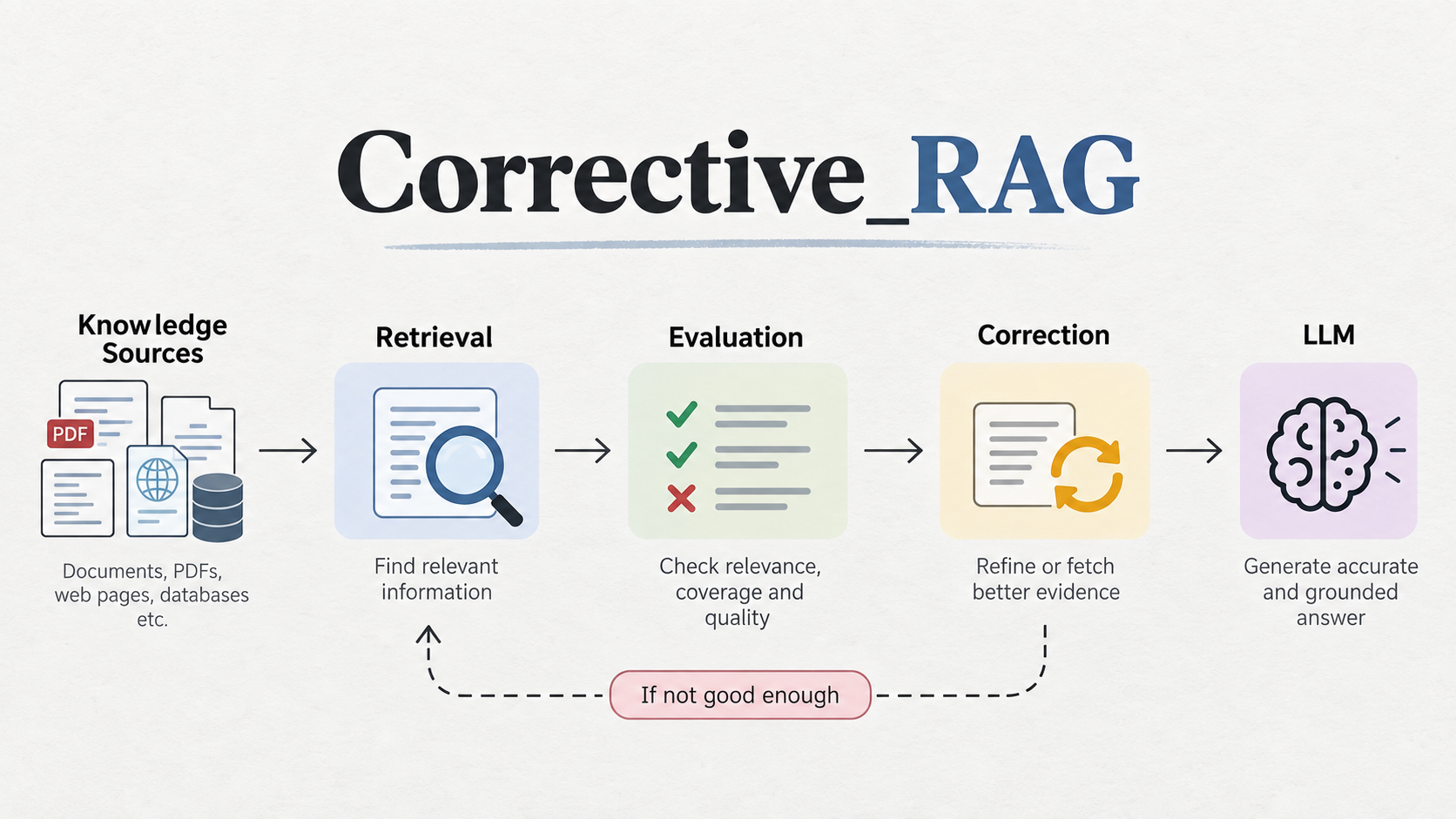
A privacy-aware RAG system that retrieves from private documents with hybrid search (semantic vectors + BM25, merged by Reciprocal Rank Fusion), then has an LLM evaluate whether the evidence is actually sufficient. If information is missing, it asks the user for approval before running an optional Tavily web search, and returns a grounded answer with citations and an explicit list of what's missing.
Instead of guessing when retrieval falls short, the system routes on evidence quality. Private-document and public-web findings stay separated, and the web is only used with human consent.
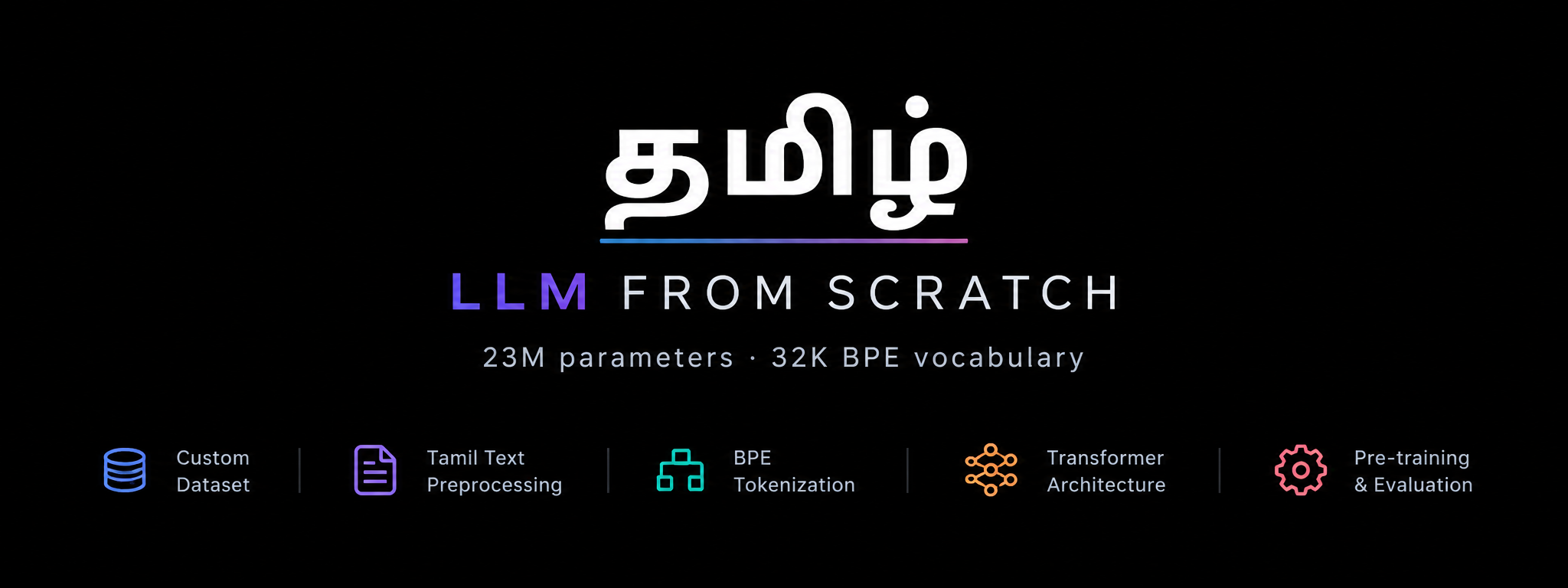
A Tamil language model built end to end in PyTorch: a custom 32K BPE tokenizer, a decoder-only Transformer (6 layers, 384 hidden, 6 heads), pretraining on about 58M tokens from 100K documents, and a small SFT run. Weights and tokenizer are on Hugging Face.
Experimental, and documented honestly: best pretraining validation loss was about 5.13, but generations are still repetitive. The next step is a larger corpus and 20+ epochs of pretraining.
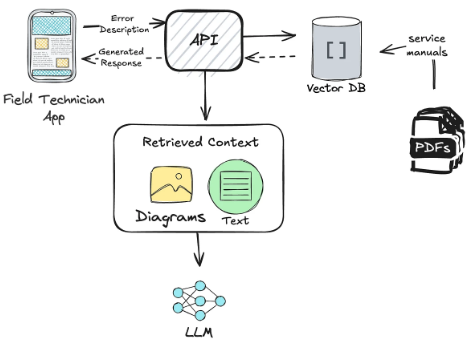
Upload one or more PDFs, choose your LLM provider, and chat with your documents through a RAG pipeline. Documents are chunked and embedded locally, retrieved from a Chroma vector store, then answered by Groq or Google Gemini.
Letting users switch between Groq and Gemini per session, with API keys never stored, made it a reusable tool rather than a single-provider demo.
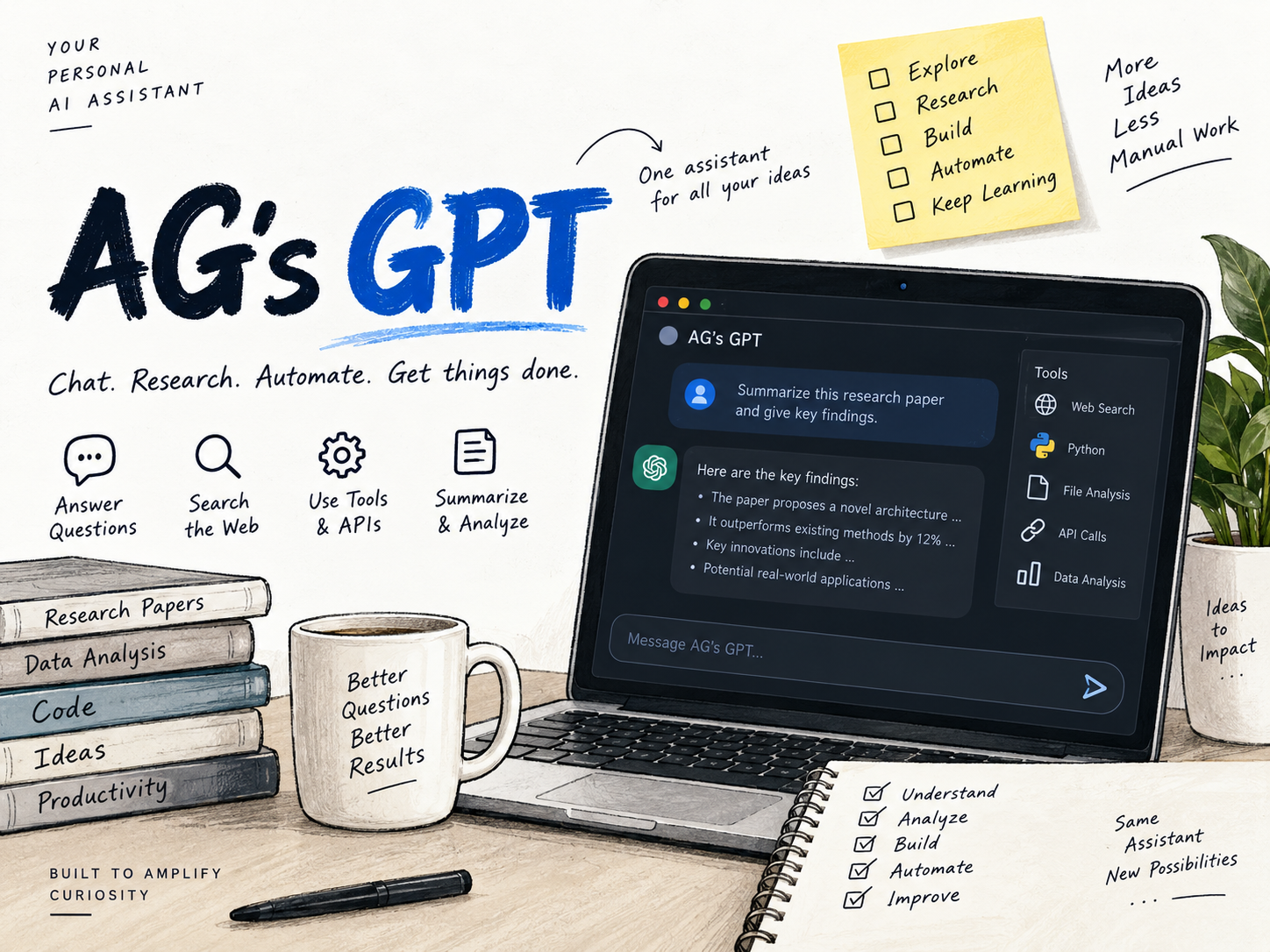
An agentic chatbot on a LangGraph tool-calling loop. It can search the web with Tavily, answer questions from uploaded documents using RAG on ChromaDB, remember past conversations, and stream replies through a custom black-and-white UI. Gemini is the LLM, served via FastAPI.
The agent decides per message whether it needs web search, document retrieval, or no tool at all, using LangGraph's tools_condition and ToolNode instead of always calling the LLM directly.
A local multi-agent research system built with LangChain. A Search Agent and Reader Agent gather and scrape sources, a Writer Chain drafts the report, and a Critic Chain reviews it before it's finalized.
A dedicated Critic Chain caught weak or unsupported claims that a single-pass LLM report would have shipped as-is.
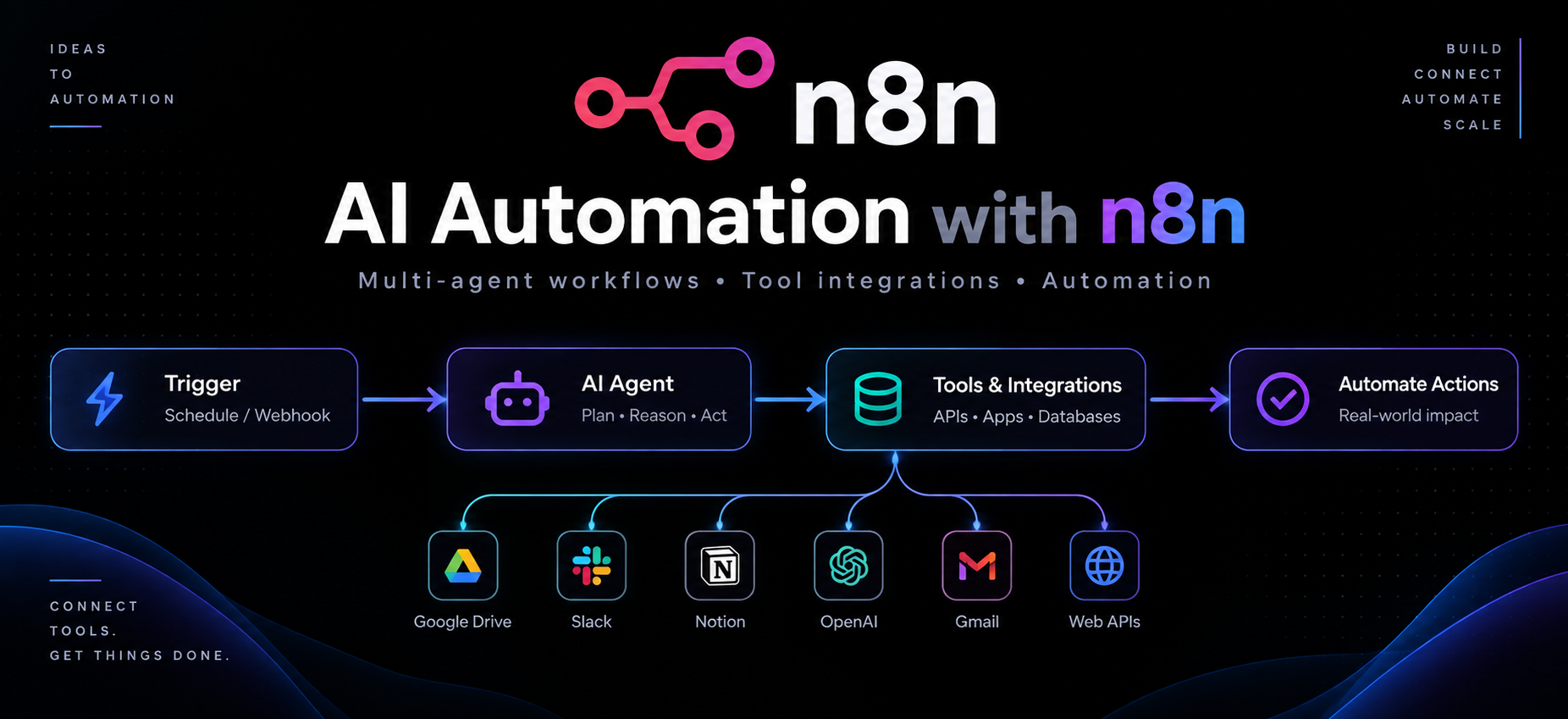
Four autonomous n8n workflows: a multi-agent research war room, a job-fit and resume matcher, a company intelligence agent, and a crawler that turns web pages into structured data.
Each workflow gives agents a job that ends in a decision or structured output. The resume matcher, for example, returns APPLY, CONSIDER or SKIP instead of just text.
Two Poisson regression models predict home and away goals from historical matches, powering a simulator that runs the full 48-team tournament 1,000 times to give stage-by-stage qualification probabilities for every nation. Before the tournament started, it correctly predicted the top four teams and the eventual winner.
1,000 full-tournament simulations turn match-level goal predictions into qualification odds, a more honest answer than a single bracket guess for a 48-team format.
Dual-engine synthetic tabular data generator using Gaussian Copula and CTGAN with automated preprocessing and comprehensive evaluation metrics.
Synthetic data matched real distribution statistics closely enough to drop into existing pipelines without retraining downstream models.
ML-powered fitness platform analyzing 20K+ records using PCA, K-Means clustering, and neural networks for personalized insights.
Clustering uncovered 4 distinct fitness personas in the data, enabling recommendations a generic dashboard would have missed.
Water quality intelligence system with dual XGBoost models for WQI regression and classification, deployed as an interactive web app.
Pairing a regression score with a separate safety classifier caught borderline-unsafe samples a single model alone would have scored as fine.
Sequential neural networks (RNN, LSTM, GRU) for text classification with real-time prediction on news articles and reviews.
Gated architectures (LSTM/GRU) held onto context in longer reviews far better than vanilla RNNs, where early signal kept fading out.
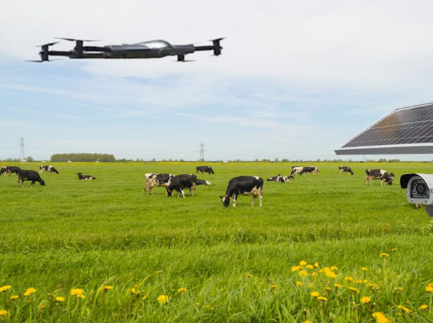
YOLOv8-based livestock detection system for identifying and counting sheep in aerial imagery. mAP50: 0.782, Precision: 0.793.
0.782 mAP50 held up on real aerial footage, not just curated benchmark images, which is where most detection models quietly fall apart.
Identifying engines operating at abnormally high turbine gas temperatures using Isolation Forest and unsupervised machine learning.
Isolation Forest flagged abnormal turbine temperatures earlier than a fixed-threshold alert would have, catching drift before it became failure.
Analyzing the relationship between trader profitability and the Bitcoin Fear & Greed Index using 211K+ trades. Fear periods yield 2.5Γ higher PnL.
Fear periods produced 2.5Γ higher PnL than greed periods, a contrarian signal buried inside 211K+ trades most traders never look for.
Predicting hospital readmission using ensemble learning on 101,766 patient records. Gradient Boosting achieves 69.82% accuracy.
Gradient Boosting hit 69.82% accuracy across 100K+ patient records, enough to meaningfully flag high-risk readmissions before discharge.
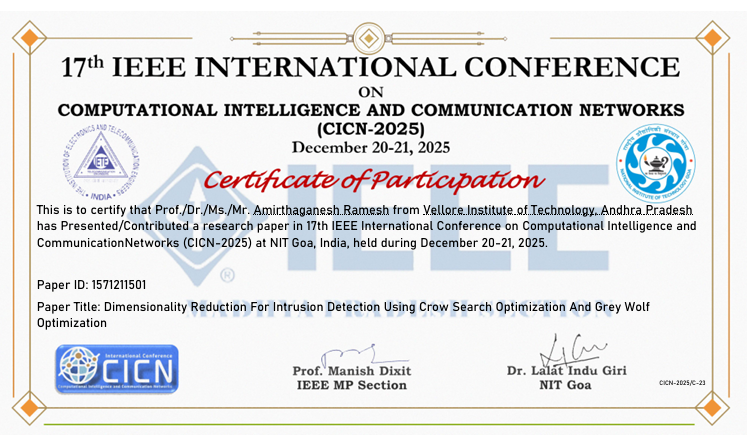
17th IEEE International Conference | NIT Goa | December 2025
Wrote research paper on "Dimensionality Reduction For Intrusion Detection Using Crow Search Optimization And Grey Wolf Optimization" at the prestigious IEEE International Conference on Computational Intelligence and Communication Networks (CICN-2025) held at NIT Goa, India. The research demonstrates advanced optimization techniques for enhancing cybersecurity through intelligent feature selection.
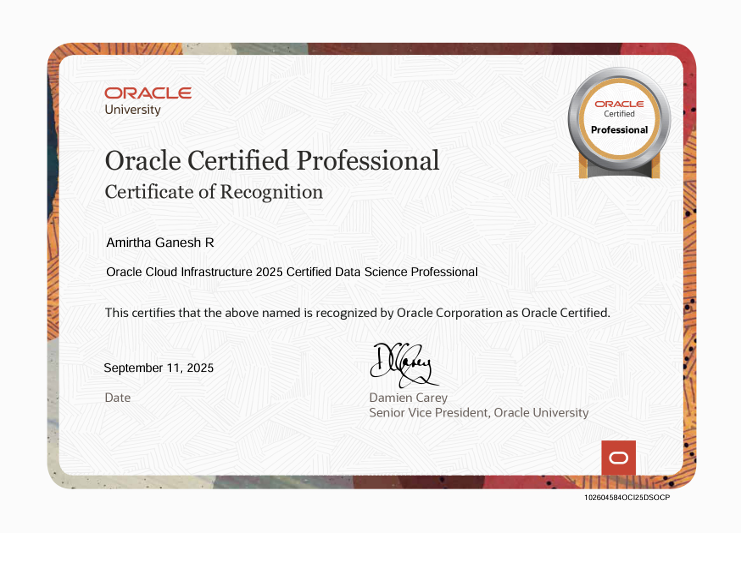
Oracle University | September 2025
Demonstrated expertise in designing, building, and managing data science solutions on Oracle Cloud Infrastructure. Mastered OCI Data Science service, machine learning workflows, and cloud-based model deployment strategies.
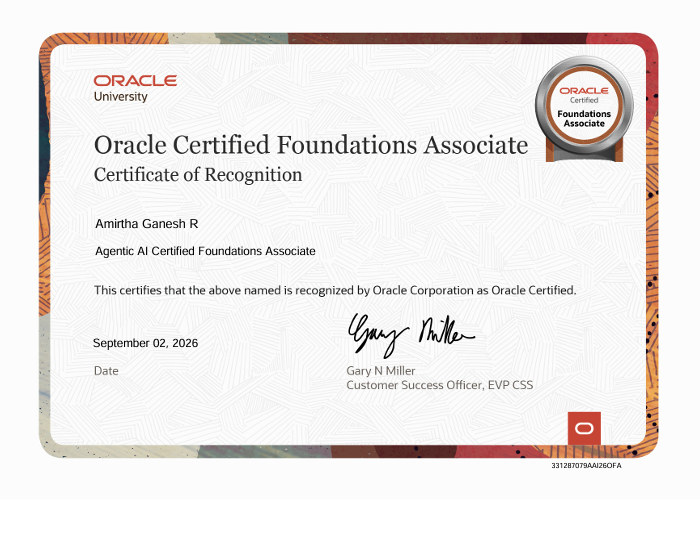
Oracle | 2026
Earned Oracle's foundational certification in agentic AI systems, covering core concepts in autonomous agent architecture, orchestration, and responsible deployment β directly underpinning the production agent work built at HMH TechHub with LangGraph and Pydantic AI.
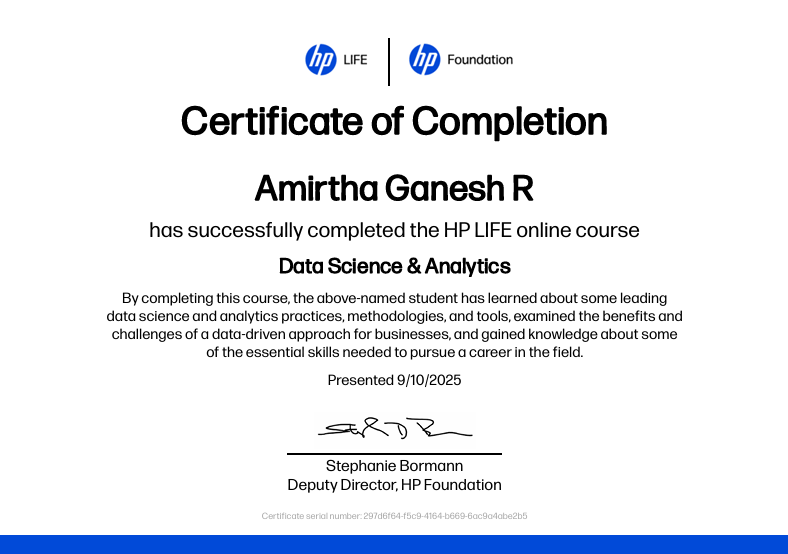
HP LIFE Foundation | September 2025
Completed HP LIFE's online course covering fundamentals of data science and analytics, applying core concepts of data-driven decision-making.
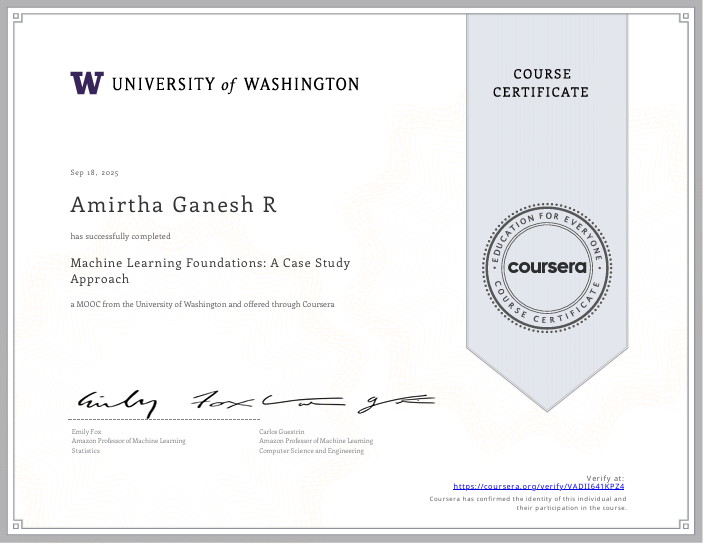
University of Washington, Coursera | September 2025
Completed foundational machine learning course from University of Washington covering supervised learning, regression, classification, and case studies with real-world applications.
Completed M.Sc. in Data Science, specializing in statistical modeling, deep learning, and production ML/AI systems.
Published "Dimensionality Reduction for Intrusion Detection Using Crow Search & Grey Wolf Optimization" at IEEE CICN 2025, NIT Goa. Earned Oracle Cloud Infrastructure Data Science Professional (2025) and Agentic AI Certified Foundations Associate (2026).
Graduated with Honors. Competed in 3 hackathons and founded an early-stage data-driven startup venture.
Built an ETL pipeline turning 10+ PDFs into 410K+ tokenized units and 768-dimensional embeddings for retrieval, designed an end-to-end agentic workflow in LangGraph, delivered a RAG system for analytics reporting, and engineered type-safe workflows with Pydantic AI and Docker.
Built XGBoost and Logistic Regression models predicting trial-to-paid conversion (84% accuracy), a collaborative-filtering recommender that lifted click-through rate by 22%, and improved course completion by 18% through drop-off analysis of 15K+ records.
Analyzed 100K+ records, improving data quality by 85% and model accuracy by 12% via PCA/t-SNE-based feature reduction.
Open to collaborations, research opportunities, internships, and full-time roles in data science.